

Aloha, readers. I want to take you back to where it all began—my childhood on the slopes of Hualalai and the path that led me to discover my passion for sociology. Growing up in a world of multiethnic families, speaking the local pidgin dialect around cowboys and open pastures, I learned early on that identity is woven from culture, community and the stories we share. Looking back, I see how the rhythms of island life, the fierce camaraderie of boarding school athletics and a chance internship in a juvenile-detention center each shaped my determination and purpose. In this post, I’ll share how those early experiences guided me from trail riding to cross-country courses, from lonely long-distance calls to campus sorority parties—and ultimately to an academic epiphany that changed my life forever.
Growing Up on the Kona Coast
I was raised in the rural town of Kailua-Kona on the slopes of Hualalai where multiethnic families worked and lived side by side. Days began with open windows, leaning into the heady scent of grass and earth, the calling of island birds drifting in with the morning breeze and promising a day rich with the rhythms of nature and family. My mother and I often clashed over expectations and the pressure to fit into multiple worlds. I learned to tend to my horse each day, taking responsibility for her care and well-being, and growing accustomed to the hands-on work and resilience that nurturing another living being requires—all lessons I first learned through my experiences at a 4H club. While I appreciated the calm of island life, I was also curious about the world beyond the island.
Finding Independence and Athletic Passions at Boarding School
At thirteen, I left the familiarity of home life behind and moved into the girls’ dormitory at a boarding school in Waimea 45 minutes away. That transition—from daily homelife familiarity to a high school campus on my own—was both exhilarating and filled with anticipation. For the first time, I went about my day completely independently. Sports became my anchor. I threw myself into cross-country, swimming and track, chasing personal records as fiercely as I once chased long trail rides. The afternoons running down winding roads, the rhythmic lap counts in the pool, the collective energy at track meets - they each offered a sense of belonging I’d never known in 4-H. Boarding school also brought Michael into my life, the boy who would become my partner in young adult life. Late-night meetings in high school turned into long-distance phone calls in college, and although trust sometimes strained under the weight of illicit calls and misunderstandings, our bond taught me about loyalty, reconciliation and the endurance of young love.
College Life at the University of Puget Sound
When I arrived at the University of Puget Sound, I dove into new communities. I joined Kappa Kappa Gamma, traded running shoes for rowing blades, and embraced the structured camaraderie of crew practices on misty water. Those afternoons of synchronized strokes revealed the power of collective effort, as I drew on the discipline and determination I had developed through running and swimming practices; this time, however, our success relied completely on moving together in perfect harmony. Yet amid Greek life functions and regattas, I found myself growing increasingly bored with my Spanish major. Searching for something that truly sparked my interest, I enrolled in an introductory sociology course. That class opened my eyes to new ways of thinking, and the experience deepened even further after a summer internship at a juvenile-detention center. Together, these moments shifted my academic path and set the stage for real transformation. Walking through those corridors, I met young people whose life stories revealed hardships and struggles I had rarely encountered with my privileged upbringing —stories of family instability, cultural displacement, and systemic neglect that broadened my understanding of the world far beyond the insulated environment I grew up in. Witnessing their struggles, I realized sociology was not just an academic discipline; it was a lens through which I could understand the forces that shape us and a platform to advocate for those whose voices are unheard.
Conclusion
Looking back on my journey—from the multiethnic culture where I experienced diversity, to the dormitory dining halls and athletic fields where I claimed my independence, to the detention-center corridors where I found my academic calling—I see a throughline of purpose. Each chapter taught me that identity is forged in community and tested by challenge. I hope my story encourages you to honor your roots, embrace the unexpected turns in your path and remain open to the moments that awaken new passions. Mahalo for reading, and may your own early experiences guide you toward resilience and purpose.
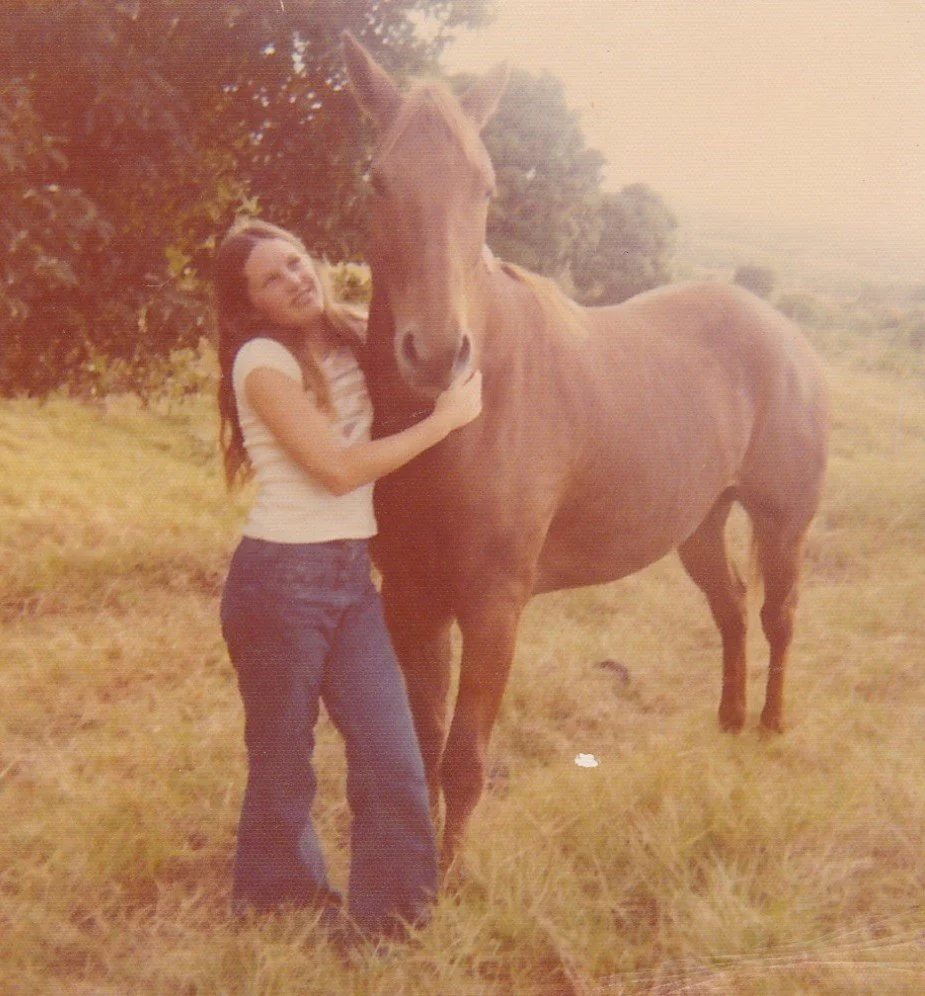
Lisa with Manawahi
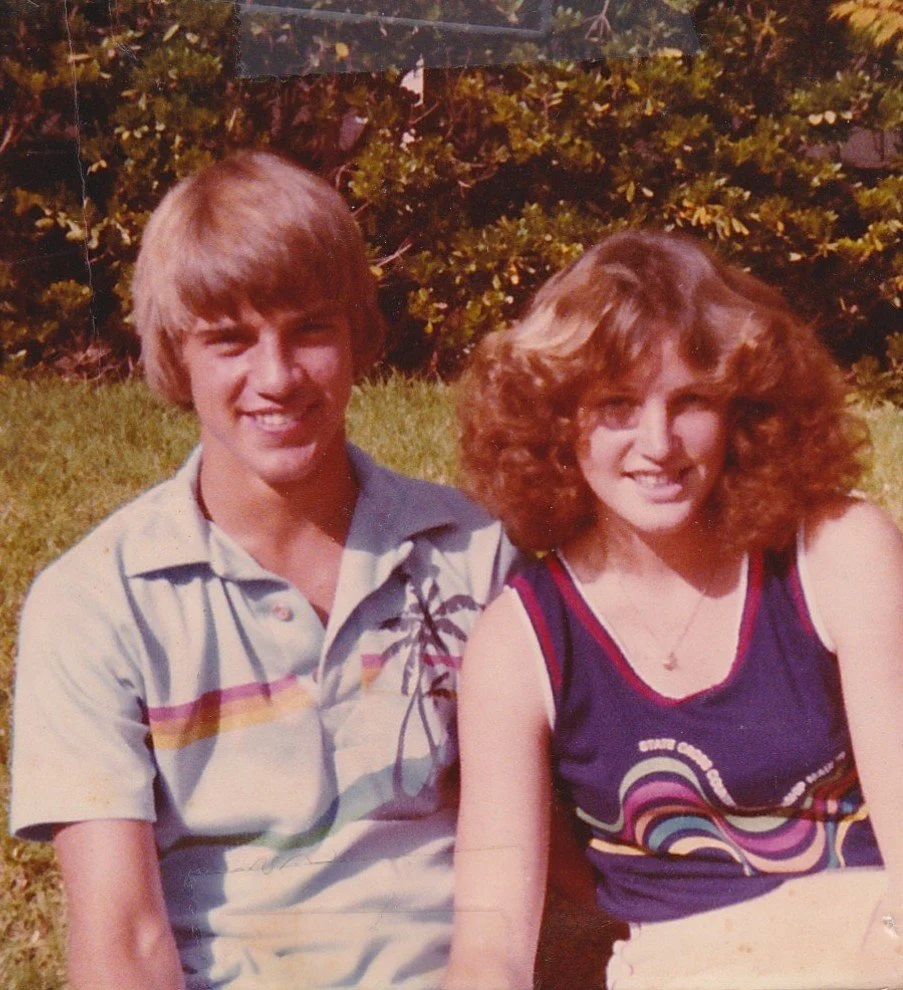
Michael and Lisa at HPA 1980
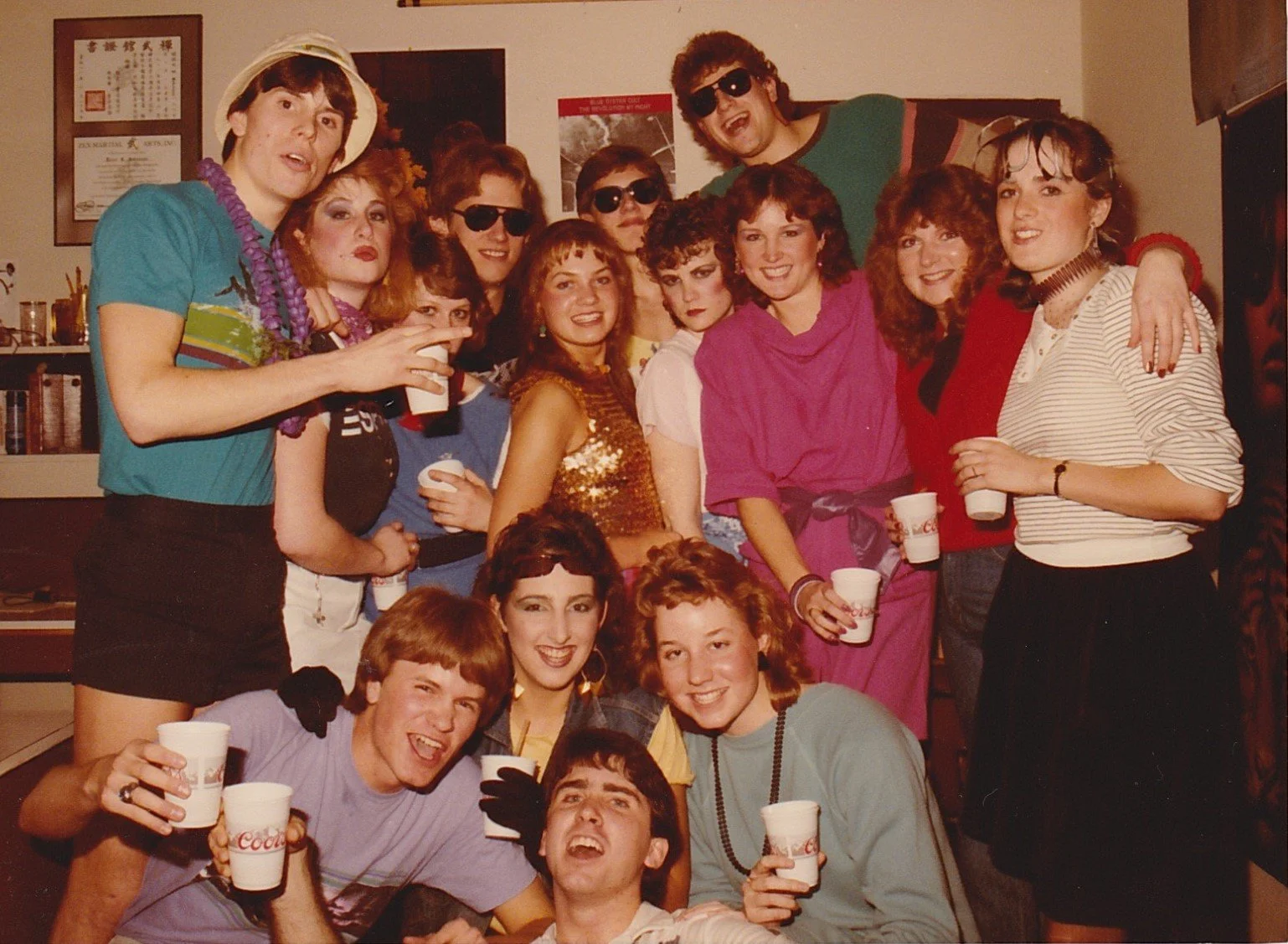
Greek function at University of Puget Sound, 1983
